

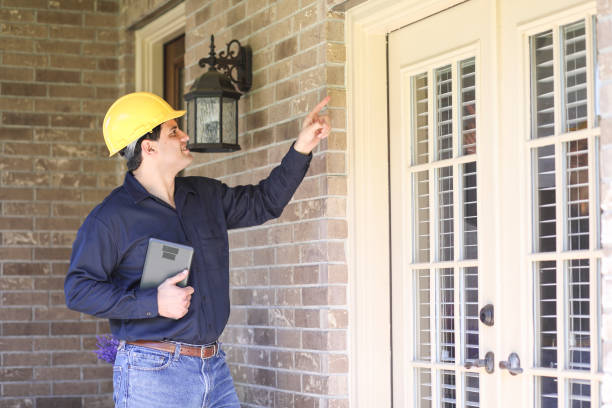
Buying a home in Frisco can feel like a quick decision on the surface, but what’s happening behind the walls and under the roof matters far more than fresh paint or staged furniture. That’s where a home inspection service in Frisco becomes essential; they slow the process down and evaluate the home as a system, not just a property. Instead of focusing on appearances, they look for how well the structure, roof, plumbing, electrical, and HVAC systems are actually performing in real conditions.
Texas Real Estate Commission (TREC) sets the minimum standards every licensed Texas home inspector must follow. The standards exist to protect buyers and create a consistent inspection product across the state.
The standards specify:
- Which components must be inspected (the major systems)
- Whether a component is inspected for general condition or operational performance.
- Items the inspector is not required to operate or test
- Items explicitly excluded (cosmetic, decorative, code compliance)
A TREC-licensed inspector is required to follow these standards. Inspectors who exceed them (e.g., certified mold inspectors, infrared thermography, sewer scope) charge extra for the additional services.
You can read the full standards on the TREC website. The plain-English version is below.
The 8 systems inspected, and what is checked in each
1. Structural systems: Foundation (concrete slab, post-tension cable visible at edges), grading and drainage around the home, framing visible in the attic, walls, and ceilings for movement signs.
2. Exterior: Siding, trim, paint condition, doors and windows, decks and porches, attached structures (carports, patios), driveways and walkways, retaining walls.
3. Roofing: Roof covering material and condition, flashings, penetrations (vents, chimneys), gutters and downspouts, roof drainage, attic ventilation. The inspector walks the roof when safe to do so. Steep roofs over 8/12 pitch may be inspected from a ladder or with binoculars.
4. Plumbing: Water supply and distribution, drain waste vent system, water heating equipment, fuel storage and distribution, fixtures and faucets, sewage ejectors, sump pumps, and waterproof shower walls. Static water test on the drain side (filling fixtures and watching for drainage rate).
5. Electrical: Service entrance and main panel, sub-panels, branch circuits, devices, and lighting, ground fault, and arc fault protection. The inspector opens the main panel cover. Verifies operation of GFCI outlets and breakers. Test a sample of outlets and switches.
6. HVAC: Heating equipment, cooling equipment, ductwork, controls (thermostats), distribution systems, vents, and flues. The inspector runs both heating and cooling at appropriate seasonal temperatures.
7. Interior: Walls, ceilings, floors, windows and doors, stairs and railings, garages and garage doors, fireplaces and chimneys.
8. Appliances and miscellaneous: Built-in appliances (oven, microwave, dishwasher, disposal), garage door openers, doorbells, smoke and carbon monoxide alarms (presence, not certified testing).
The inspector checks accessible components only. Areas requiring tools or destructive access (cutting drywall, removing fixtures) are excluded.
Frisco-specific issues that show up most often
Living in Collin County and inspecting homes here for years, certain issues come up again and again.
Foundation movement on clay soil: Frisco sits on Eagle Ford and Austin Chalk formations with significant clay content. Soil shrinks in droughts and swells when wet, causing slabs to move. Reports almost always note slab movement signs- cracks in brick, doors that no longer close square, sloping floors, and separated trim at corners. Most movement is cosmetic, some is structural. The inspector documents what is observable.
HVAC condensate line clogs: Texas humidity produces a lot of condensate. The drain pan and PVC line from the inside coil can clog with biofilm in 2 to 4 years if not maintained. Backed-up condensate ruins drywall ceilings. Inspectors check for active leakage, water staining, and float switch presence.
Attic ventilation deficiencies: Frisco summers push attic temperatures over 140°F. Inadequate ventilation cooks shingles from below and runs HVAC harder. Inspectors note ridge vent vs gable vent ratios and any soffit blockages.
Hail damage on roofs: Most Frisco homes have asphalt shingle roofs. Hail events leave bruising visible to a trained eye. Inspectors note suspected hail damage and recommend a roofer follow-up if significant.
Irrigation system condition: Most Frisco homes have automatic irrigation. Inspectors run each zone briefly and note broken heads, mismatched heads, and obvious overspray. A full irrigation audit requires a separate licensed irrigator.
Pier and beam additions on slab homes: Some older Frisco homes have additions built on pier and beam over the original slab. Crawl space access for inspection is sometimes limited.
Water pressure regulator failures: Frisco municipal water pressure can hit 95 to 110 PSI. A failed regulator passes high pressure into the home, stressing fixtures and water heaters. Inspectors test pressure at a hose bib.
Garage door safety reverse failures: Photo-eye sensors that do not trigger reverse. Common failure mode. Easy fix, but always reported.
What the inspector will not check
To set expectations clearly:
- Pool and spa equipment (separate inspection for $150 to $300)
- Septic systems (specialized septic inspection for $300 to $500)
- Sewer line interior (sewer scope for $250 to $400)
- Wells and well water quality (separate)
- Lead paint, asbestos, radon, mold, formaldehyde (specialized testing)
- Structural engineering analysis (only an engineer can do this)
- Code compliance (inspector reports conditions, not code citations)
- Hidden defects behind walls or below grade
- Cosmetic items (paint chips, minor dings)
- Items the seller has marked off or made inaccessible
- Operating components in inclement weather (rain on the roof, snow over the AC)
- Homes without utilities turned on
If you want any of the excluded items checked, schedule the specialized inspection separately.
The walk-through: minute by minute
A Frisco inspection on a 2,500-square-foot home typically goes:
0 to 15 min: Arrival and intro: The inspector walks the property exterior, takes initial photos, and identifies any access challenges.
15 to 60 min: Exterior and roof: Walks around the foundation, checks grading and drainage, inspects siding and trim, climbs the roof (or uses a ladder for steep roofs), checks gutters, photographs the chimney.
60 to 90 min: Attic: Pulls down attic stairs, checks insulation depth, verifies ventilation, looks for active leaks, inspects accessible framing, checks ductwork, and bathroom vent terminations.
90 to 150 min: Interior systems: Tests every accessible outlet and switch, runs all faucets, flushes toilets, runs the dishwasher and disposal, opens the main electrical panel, runs heating and cooling, tests garage door safety reverse.
150 to 180 min: Final exterior: Test irrigation if accessible, check fences and gates, photographs anything missed.
180 to 240 min: Report writing: Often done at home or office, same day. The buyer typically receives the report within 24 hours.
If you want to be present, the standard is to arrive in the last hour for the walkthrough. The inspector reviews findings on-site and answers questions. Being there for the entire inspection is permitted, but most inspectors prefer privacy for the work itself.
Reading the inspection report
A TREC report uses a standard format: every item is rated as one of four categories.
Inspected (I): The inspector checked the item.
Not inspected (NI): Inaccessible or excluded.
Not present (NP): The system or component does not exist.
Deficient (D): Below the inspector’s expectation requires attention.
A deficient rating ranges from minor (a missing outlet cover) to major (foundation movement). The deficiency narrative explains the issue and recommends action.
How to triage report findings:
- Safety items (electrical hazards, gas leaks, missing handrails) – must be fixed before closing or by closing
- Functional items (HVAC not cooling, water heater past life) – usually negotiated with the seller
- Maintenance items (grout cracks, exterior caulking) – buyer responsibility, not negotiation points
- Cosmetic items (paint, scratches) – buyer’s responsibility
Most Frisco inspection reports show 30 to 80 deficiencies on a typical 10-year-old home. The number is not the point; the severity is.
Common report findings and what they mean
Slab movement noted: Almost universal in Frisco. Means the inspector saw evidence that the slab has moved. Could be 1/4″ or 2″. Foundation engineer follow-up recommended for movement that exceeds normal.
Roof has 3+ years remaining life: Subjective estimate. A roofer can give a more specific estimate. Hail-damaged roofs may have insurance claim potential.
GFCI did not trip when tested: Failed GFCI outlet. Replacement is $30 to $90 by an electrician.
Sloping floor noted in the living room: Often related to foundation movement. Check the slope (a small marble rolls noticeably) for severity.
Active moisture in the master shower wall: The shower pan or grout has failed, and water is reaching the framing. Repair costs vary widely. Get a tile contractor estimate.
Water heater past expected useful life: Heaters older than 8 years are noted. Replacement cost in DFW is $1,400 to $2,800 for a tank, $3,200 to $5,500 for tankless.
HVAC system manufactured in 2009: Average system life is 12 to 18 years. Older systems get noted, but are not necessarily failing.
Attic insulation below current standard: Texas energy code requires R-38 in new construction. Older homes often have R-19 to R-30. Adding insulation is cheap and energy-positive.
Re-inspection after the seller repairs
After the seller agrees to repairs, you can have the inspector return for a re-inspection. Cost is usually $150 to $300, depending on the scope.
The re-inspection verifies:
- Repairs were completed
- Repairs were done correctly
- New issues were not created
Sellers sometimes use the cheapest contractor, who creates new problems. Re-inspections catch this. Worth the cost for any major repair.
Add-on inspections worth considering
These are not part of the TREC general inspection, but often valuable in Frisco.
Sewer scope: Camera inspection of the main sewer line from the home to the city tap. $250 to $400. Catches root intrusion, broken pipes, and bellies. Worth it on homes 25+ years old or with mature trees.
Foundation engineer report: $400 to $800. Specialized assessment of foundation movement. Worth it when the home inspector flags significant movement.
Pool inspection: $150 to $300. A separate licensed pool inspector checks equipment, plumbing, structure, and safety.
Termite inspection: $75 to $200. Often required by the lender. Frisco has subterranean termite activity in older homes.
Mold testing: $300 to $700. Air and surface samples. Worth it if visible mold or a known water damage history.
Infrared thermography: $150 to $400. Reveals hidden moisture, missing insulation, and electrical hot spots. Some general inspectors include this; many do not.
Final Thought
A home inspection in Frisco isn’t just a checklist; it’s a reality check on one of the biggest financial decisions you’ll make. While no home is perfect, understanding what’s normal wear versus what needs attention helps you move forward with clarity instead of uncertainty. The real value of the process is not just in finding issues, but in knowing which ones actually matter and how they impact your investment long-term.Working with a trusted local inspector also makes a difference in how confidently you interpret the results. At Futuristic Inspections, the focus is on clear communication, detailed reporting, and helping buyers understand exactly what they’re walking into, not overwhelming them with jargon or unnecessary alarms. The goal is simple: give you a complete, honest picture of the home so you can make your decision with confidence, not guesswork.
Frequently Asked Questions (FAQs)
How long does a Frisco home inspection take?
2.5 to 4 hours for homes under 3,000 sq ft. Larger homes or homes with pools and outbuildings take 4 to 6 hours.
Should I attend the inspection?
Best practice: skip the first 2 hours, attend the last hour for the walkthrough. The inspector reviews findings on-site and answers questions.
What does it cost?
$400 to $700 for typical Frisco homes. Larger homes or older homes cost more. Add-on services are billed separately.
Within 48 to 72 hours of the storm is best. That window keeps damage tied closely to the storm event for insurance purposes and lets you address urgent issues before they cause secondary damage like mold or wood rot. Don’t wait for visible signs to appear.
How do I find a good inspector?
Three tactics: ask your agent for two or three names (not just one), check TREC license status online, and read 5 detailed Google reviews per inspector. Avoid the cheapest option; quality varies widely.
Can I use my brother-in-law, who is a contractor?
Texas law requires a TREC-licensed inspector for residential real estate transactions. A contractor without a TREC license cannot perform a legal home inspection.