

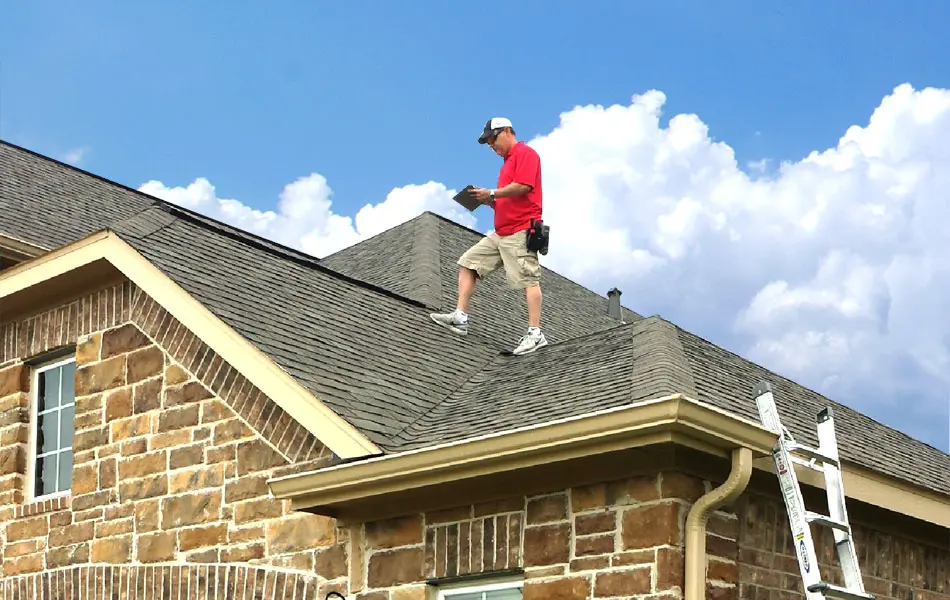
A standard home inspection in McKinney covers the visible and reachable parts of a house: the foundation and structure, the roof, the attic, the plumbing, the electrical system, the heating and cooling, the walls, ceilings, floors, windows, doors, and built-in appliances. A professional inspection service looks at what is safe to access on inspection day and reports anything that is broken, unsafe, or near the end of its life. In Texas, licensed inspectors follow a standard form set by the state, so the report you get in McKinney looks much like the one a neighbor would get in Frisco or Prosper. The visit usually takes two to four hours for an average single-family home, and you receive a written report with photos within a day. The inspection does not test things hidden behind walls, and some items, like a sewer line camera scan, are add-ons you request separately. Below, we walk through each system, what falls outside the scope, and how to read your report so you know exactly what you paid for.
Why Does a Single Word Like “Streaky” Show Up in Your Report?
When buyers in North Texas read their first inspection report, small phrases jump out and worry them. A note like “foundation shows streaky moisture staining” sounds alarming, but it often points to normal soil movement in our heavy clay ground rather than a failing slab. That gap between what a report says and what it means is the reason this guide exists. A good home inspection McKinney buyers can trust does two things at once: it checks every reachable system, and it explains findings in plain language so you can tell a cosmetic note from a real problem. The rest of this article breaks down each part of the process so nothing in your report feels like a surprise. It helps to remember why the wording sounds so technical in the first place. Inspectors write to a standard, and that standard rewards precise, repeatable descriptions over reassuring ones. “Streaky moisture staining” is simply the agreed term for a visible water mark, the same way a doctor writes “contusion” instead of “bruise.” The phrasing is not a verdict. It is a flag that says someone with training looked at this spot, saw something worth recording, and wants you to have the option to ask more. Once you read a report through that lens, the scary-sounding notes stop feeling like accusations and start feeling like a checklist of things to confirm or set aside.
What Does a Standard Home Inspection Cover?
A standard inspection covers the major structural and mechanical parts of the home that an inspector can see and safely reach without taking anything apart. Think of it as a top-to-bottom visual exam of how the house is built and how its systems run on the day of the visit. Texas sets the floor for what gets checked. Every licensed inspector here works from the same state form, so the categories are consistent whether the house sits in McKinney, Plano, or Dallas. That standard form is the backbone of any TREC inspection, and it covers structure, systems, and safety in a fixed order. Here is the short version of a home inspection checklist for a typical McKinney house:
- Foundation, grading, and drainage around the home
- Roof covering, flashing, and gutters
- Attic, insulation, and ventilation
- Walls, ceilings, floors, doors, and windows
- Electrical service, panel, wiring, outlets, and fixtures
- Plumbing supply, drains, water heater, and fixtures
- Heating and cooling equipment and distribution
- Built-in appliances such as the dishwasher, range, and disposal
- Garage, driveway, and any attached structures
The inspector notes the condition of each item and flags anything that is damaged, unsafe, or not working as intended. The goal is not to grade the house pass or fail. The goal is to give you a clear picture of its condition so you can make a confident decision. One point trips up first-time buyers more than any other: the word “visual.” The inspection is a snapshot of conditions that an inspector can observe on one specific day. It is not a warranty, and it is not a promise that a working water heater will still be working in six months. A heater that passes today can fail next spring, and that is not a missed call. The report tells you the state of the house the afternoon someone walked through it, which is exactly what you need to price repairs and decide whether to move forward. For a deeper look at how a full visit is structured, our residential inspection page lays out each step in order.
Which Major Systems Get Checked?
The major systems are the heart of any inspection, because they cost the most to repair and matter most to your safety and budget. Here is what inspectors check inside each one.
Foundation and structure
In North Texas, the foundation gets close attention because our expansive clay soil swells and shrinks with the seasons. The inspector walks the perimeter, looks for cracks, checks doors and windows for binding, and notes any sloping floors. A streaky or stained slab edge often traces back to soil moisture, not structural failure, but the inspector documents it so you can ask a structural engineer if anything looks serious. This is the system that buyers in Frisco and McKinney ask about most, and for good reason. What separates a routine note from a real concern is usually the pattern. A single hairline crack in the brick is common and rarely means much. Several stair-step cracks running the same direction, doors that no longer latch on one side of the house, and a floor that visibly slopes toward one corner together tell a different story. The inspector will not give you an engineering verdict, because that is outside their scope, but a clear write-up gives an engineer a head start if you decide to call one. Many McKinney buyers ask the seller to cover an engineer’s report when several of these signs show up at once.
Roof and attic
The inspector examines the roof covering for worn or missing shingles, damaged flashing, and signs of past hail, which is common across North Texas. In the attic, they check insulation depth, ventilation, and any signs of leaks or daylight coming through. If the roof is too steep or wet to walk safely, the inspector views it from a ladder or the ground and says so in the report. Hail deserves its own mention here. McKinney sits in a part of Texas that sees regular spring storms, and a roof that looks fine from the curb can carry bruising that shortens its life by years. Inspectors note granule loss, soft spots, and dented vents, all of which point to past impact. If the report flags hail damage, it is worth asking when the roof was last replaced and whether an insurance claim was ever filed, since that history affects both your repair budget and your future coverage.
Electrical
The electrical review is the one most tied to safety. The inspector opens the main panel, checks for proper wiring and breaker sizing, tests a sample of outlets and switches, and confirms that ground fault and arc fault protection are present where required. If you have wondered which electrical safety check a home needs, this built-in review of the panel and circuits is for a standard sale. Older homes in established McKinney neighborhoods sometimes turn up specific issues worth knowing about. Aluminum branch wiring, double-tapped breakers, and panels from brands with a poor safety record all show up from time to time, and each one is a reason to bring in a licensed electrician for a closer look. None of these means a house is unbuyable. They simply move from the report into your repair conversation, often with a clear fix and a known cost.
Plumbing
The inspector runs water at fixtures, checks for leaks under sinks, inspects the water heater for age and safe venting, and looks at visible supply and drain lines. Hidden pipes inside walls or underground are outside what they can see, which is where a sewer scope add-on comes in. Water heaters are a frequent flag, partly because they have a predictable lifespan of roughly eight to twelve years. The inspector reads the serial number to estimate age, checks for a proper temperature and pressure relief valve, and confirms the unit vents safely. A heater near the end of that window is not a defect, but it is a known upcoming cost you can factor into your offer.
Heating and cooling
The inspector runs the furnace and the air conditioner through a normal cycle, checks the temperature split, looks at the condition of the equipment, and notes the age. This is the system most people mean when they ask which inspection covers a home’s major mechanical equipment. The answer is a standard residential inspection, which always includes heating and cooling. One Texas-specific limit is worth flagging: inspectors generally will not run an air conditioner when the outdoor temperature is too low, because doing so can damage the compressor. If you buy in winter and the report says the cooling system was not tested for this reason, that is normal and not a dodge. You can ask for the system to be checked once temperatures allow, or have an HVAC contractor confirm it during the option period.
What Is Not Included in a Standard Inspection?
A standard inspection does not cover anything hidden, anything that needs special equipment, or anything outside the state form unless you request it. Knowing the limits up front saves you from expecting something the visit was never meant to include. These items fall outside a standard visit:
- Anything behind finished walls, under floors, or buried in the ground
- Swimming pools and spa equipment, unless your inspector offers it as an add-on
- Sprinkler and irrigation systems, in many cases
- Wells, septic systems, and outbuildings beyond a basic look
- Wood-destroying insects, which need a separate termite report
- Code enforcement or a guarantee that future systems will not fail
Several useful checks are available as add-ons you can request:
- A sewer scope, where a camera runs through the main drain line to find cracks, roots, or bellies. Older McKinney neighborhoods with mature trees are good candidates for this.
- A pool and spa inspection for homes with backyard water features.
- An irrigation system check.
- A wind mitigation inspection, which documents how well the roof and structure stand up to high wind, can matter for insurance.
If a system is turned off, winterized, or blocked by stored items, the inspector cannot evaluate it and will note it as not inspected. You can ask the seller to make those areas accessible for a return visit. It also helps to separate two things that buyers often blur together: the limits of scope and the limits of access. Scope is what the state form does not require, such as a buried sewer line. Access is when something inside the normal scope cannot be reached on the day, such as an attic blocked by stored boxes or a panel hidden behind a locked closet. Scope items stay out unless you order an add-on. Access items can usually be resolved with a quick call to the seller and a short return visit, so it is worth reading those “not inspected” notes carefully before assuming a system is fine.
How Long Does a Home Inspection Take and What Should You Expect?
A typical home inspection in McKinney takes about two to four hours, with larger or older homes taking longer. The visit runs longer than people expect because the inspector is moving through every system one at a time and photographing findings as they go. Here is how the day usually flows. The inspector arrives, walks the exterior and roof, then moves inside system by system. You are welcome to attend, and the last thirty minutes are a good time to join so the inspector can walk you through anything important in person. Wear comfortable shoes, plan to be there near the end, and bring a list of any concerns you already have about the property. A few things help the visit go smoothly:
- Confirm utilities are on, since the inspector cannot test an electric panel, water heater, or HVAC unit that has no power, water, or gas.
- Clear access to the attic hatch, the electrical panel, and the water heater.
- Move stored items away from the furnace and any access points.
Square footage, the home’s age, and add-ons like a sewer scope all change the timeline. A newer three-bedroom home moves faster than a sprawling older property with a pool and a detached garage. Timing matters more in McKinney than in many markets because of how the local market moves. When listings sell quickly, you may have only a few days between an accepted offer and the close of your option period, and the inspection has to fit inside that window. Booking the visit the same day your offer is accepted, rather than waiting, gives you room to read the report, get a repair quote or two, and still have time to negotiate.
How Do You Read the Report and What Are the Next Steps?
The report is your real takeaway, and you read it by focusing on safety and major systems first, then working down to minor notes. Most reports group findings by system and use clear labels so you can sort big issues from small ones at a glance. Most McKinney inspectors deliver a digital report within twenty-four hours, complete with photos and sometimes short videos. As you read, sort findings into three buckets:
- Safety items, such as missing ground fault protection, a gas leak, or an unsafe panel. Handle these first.
- Major system concerns, such as an aging roof, a failing air conditioner, or foundation movement, are worth an engineer’s opinion.
- Maintenance and cosmetic notes, such as a dripping faucet, a torn screen, or a cracked outlet cover.
A long report is not a bad sign. Inspectors document everything, so even a solid house can produce pages of small notes. What matters is the pattern. A handful of safety and major system flags tells you more than dozens of cosmetic ones. From there, your next steps usually look like this. Share the report with your real estate agent, decide which repairs to request, and get specialist quotes for major items like the foundation or roof. In Texas, you generally have a short option period to negotiate or walk away, so read the report quickly and ask your inspector to clarify anything unclear. A good inspector will take that call. A short comparison helps you sort what to push on versus what to accept. Use it as a rough guide, not a rule:
| Finding | Typical response | Why |
| Missing GFCI near a sink | Request repair | Cheap fix, real safety issue |
| Water heater past its lifespan | Negotiate or budget | Known cost, not urgent |
| Stair-step foundation cracks | Get an engineer’s opinion | Needs a specialist before you decide |
| Worn shingles with hail bruising | Request a quote, check claim history | Affects budget and insurance |
| Dripping faucet, torn screen | Note and move on | Cosmetic, low cost |
When you are deciding what to ask the seller to fix, focus your requests on safety and major systems. Sellers in a quick-moving market may push back on a long list of cosmetic items, so spending your negotiating room on the things that cost real money tends to work better. If you are comparing notes against another property, our guide to buying a home in Frisco walks through the same reading process for a nearby market, and the steps for a home inspection in McKinney follow the same order.
Ready to know exactly what you are buying
Buying in North Texas means dealing with clay soil, hail-prone roofs, and homes of every age, so a careful inspection pays for itself many times over. When we inspect a home in McKinney, we check every reachable system, explain each finding in plain words, and deliver a report you can actually use. If you are ready to schedule or just want to ask a question first, reach out through Futuristic Inspections, and we will walk you through the process for your specific property.
Frequently Asked Questions
How much does a home inspection cost in McKinney, TX?
Pricing depends on the home’s size and age, as well as any add-ons you request. A standard single-family inspection in North Texas typically falls within a few hundred dollars, with extras like a sewer scope or pool inspection priced separately. Ask for a quote based on the specific property’s square footage.Which type of inspection covers a home’s major mechanical systems?
A standard residential home inspection covers the major mechanical systems, including heating, cooling, electrical, and plumbing. You do not need a special inspection type for these. They are part of the state form that every licensed inspector follows.Why does my foundation look streaky in the report?
Streaky or stained marks along a slab edge usually come from soil moisture and the clay ground common in North Texas, not from structural failure. The inspector documents it so you can decide whether a structural engineer’s opinion is worth getting. It is a note to investigate, not an automatic alarm.Should I get a sewer scope in addition to my inspection?
A sewer scope is a smart add-on for older homes or properties with mature trees, since roots and pipe cracks are common in established McKinney neighborhoods. A standard inspection cannot see inside the buried main line, so the camera scan fills that gap.Do I need to be present for the home inspection?
You do not have to attend, but it helps to join for the final part of the visit. The inspector can walk you through findings in person and answer questions on the spot, which makes the written report much easier to understand later.